Single Axle Or Dual Axle Trailer: What To Consider Before You Buy
Choosing between a single axle vs. a dual axle trailer is one of the most important decisions you will make when buying a trailer. This choice directly impacts how your trailer performs under load, how it handles on the road, and how long it stays in service.
At Big Tex Trailers, we build equipment for professionals who rely on their trailers every day. The right axle configuration is not about preference. It’s about matching your equipment to the demands of your work.
Before deciding, you need to look beyond surface differences and focus on capacity, stability, and long-term durability.
Understanding The Difference
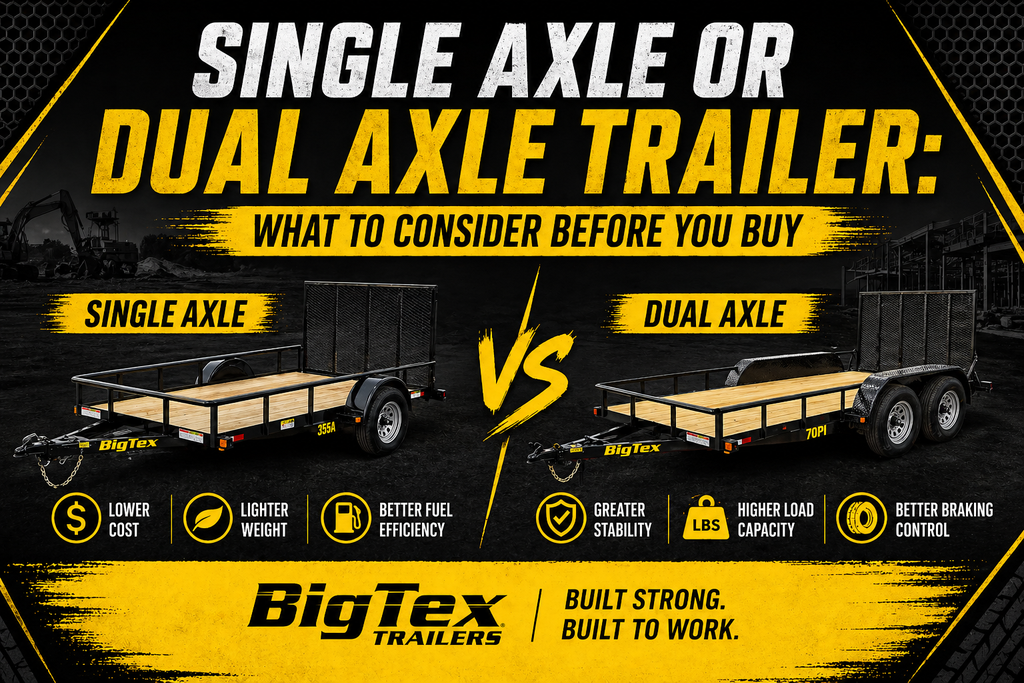
The distinction between single axle vs. dual axle trailers is straightforward in design but significant in performance.
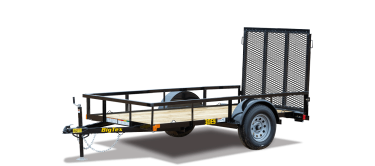
- Single axle trailers have one axle with two wheels.
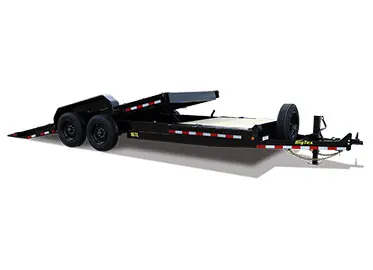
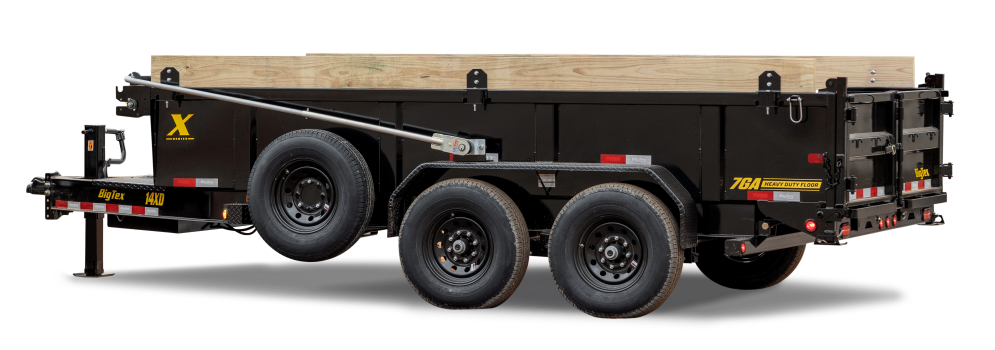
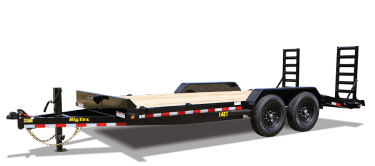
- Dual axle trailers (also called tandem axle) have two axles with four wheels.
That difference changes how weight is distributed, how the trailer tracks, and how it holds up under repeated use.
For light-duty hauling, a single axle may be sufficient. For professional workloads, the conversation quickly shifts toward dual axle performance.
Capacity Drives The Decision
If you are deciding between a single axle and. dual axle, start with payload.
Single axle trailers are typically used for:
- Lighter equipment
- Landscape and Utility Trailers
- Smaller loads
- Shorter haul distances
Dual axle trailers are built for:
- Heavier payloads
- Frequent hauling
- Commercial use
The additional axle increases weight capacity and distributes the load more evenly across the frame. That reduces stress on individual components and improves long-term durability.
If your work involves equipment, materials, or daily use, dual-axle configurations are built to handle that demand without compromise.
Stability On The Road
Load stability is one of the biggest differences in the single axle vs. dual axle decision.
Single-axle trailers are more responsive and easier to maneuver in tight areas. However, they are also more sensitive to load placement and road conditions.
Dual axle trailers provide:
- Improved balance under load
- Better tracking at highway speeds
- Increased control during braking
That added stability becomes critical when hauling heavier equipment or traveling longer distances. It also reduces the impact of uneven terrain and shifting loads.
For professionals, stability is not a luxury; it is part of keeping jobs moving safely and efficiently.
Durability And Long-Term Performance
Every trailer is an investment. The goal is not just to get through today’s job, but to stay productive over time.
In the single axle vs. dual axle comparison, durability favors dual-axle designs.
With two axles:
- Weight is distributed across more components.
- Suspension systems absorb impact more effectively.
- Frames experience less concentrated stress.
That translates to fewer repairs, less downtime, and a longer service life.
At Big Tex Trailers, we engineer our dual-axle models to withstand repeated cycles under load. Built for professionals who depend on their equipment every day, not for occasional use.
Maintenance And Operating Considerations
Single-axle trailers are simpler. Fewer tires, no brakes, and fewer components mean lower upfront and maintenance costs.
However, that simplicity comes with limitations.
Dual axle trailers require:
- Additional tire maintenance
- Brake system upkeep on multiple axles
- More attention to alignment and wear
But in return, they provide redundancy. If one tire fails, the trailer remains more stable than a single axle setup. That can make a significant difference on active jobsites or long hauls.
When evaluating single axle vs. dual axle, it is important to weigh not just maintenance cost, but operational reliability.
Maneuverability And Jobsite Access
Not every jobsite is open and accessible. Tight turns, narrow driveways, and confined work areas all influence trailer choice.
Single axle trailers:
- Turn more easily
- Back into tight spaces with less adjustment
- Are often preferred for smaller, confined jobs
Dual axle trailers:
- Require wider turning radius
- Take more space to maneuver
- Perform best in open or structured environments
If your work involves frequent positioning in tight areas, a single axle may offer advantages. If your priority is hauling capacity and stability, a dual axle remains the better fit.
Matching The Trailer To Your Work
The decision between single axle vs. dual axle comes down to how you use your trailer.
Choose a single axle if:
- You haul lighter loads
- Your routes are short
- Maneuverability is critical
Choose a dual axle if:
- You haul equipment or heavy materials
- You run daily or high-frequency jobs
- Stability and durability matter most
Most professional operators lean toward dual axle configurations because they are built to handle growth, not just current needs.
Why Big Tex Trailers Sets The Standard
At Big Tex Trailers, we design for real work conditions. That means building trailers that hold up under load, across terrain, and over time.
Our axle configurations are engineered to support:
- Consistent load distribution
- Long-term frame integrity
- Reliable performance in demanding environments
When you invest in a trailer, you are investing in uptime. That is the standard we build to.
Frequently Asked Questions
FAQ
Is A Dual Axle Trailer Always Better?
Not always. It depends on your workload. For light-duty use, a single axle can be sufficient. For heavy or frequent hauling, a dual axle is typically the better choice.
Does A Dual-Axle Trailer Tow Smoother?
Yes. With better weight distribution and added stability, dual-axle trailers tend to track more consistently, especially at higher speeds.
Are Single-Axle Trailers Easier To Maintain?
They have fewer components, which can reduce maintenance. However, they also operate closer to their limits in many applications.
What Is The Main Advantage Of Dual-Axle Trailers?
Higher capacity and improved stability. These factors make them better suited for professional use.
How Do I Decide Between Single Axle vs. Dual Axle?
Start with your load weight, hauling frequency, and jobsite conditions. Choose the setup that supports your work without pushing the limits.
Built For The Work Ahead
The right trailer configuration is not about preference. It is about performance.
When comparing single axle vs. dual axle, focus on what your work demands today and where it is going next. Choose a trailer that stays in service, handles the load, and supports your operation without compromise.