Best Gooseneck Trailer for Hotshot and Large Equipment: Features to Look for
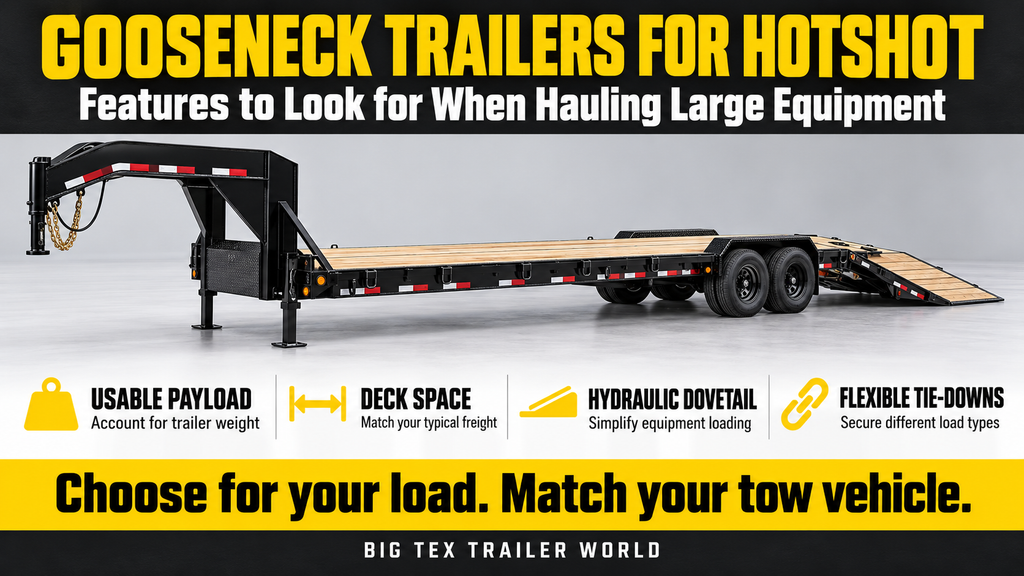
Choosing the best trailer for hotshot work is less about finding the biggest trailer available and more about matching the trailer to the freight you expect to haul. Deck length, usable payload, loading method, axle configuration, tie-down flexibility, and the truck pulling it all matter once the trailer starts earning money.
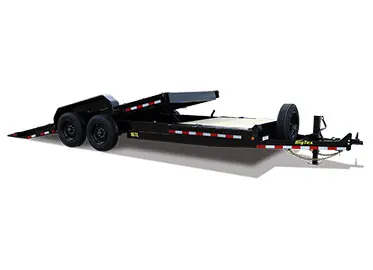
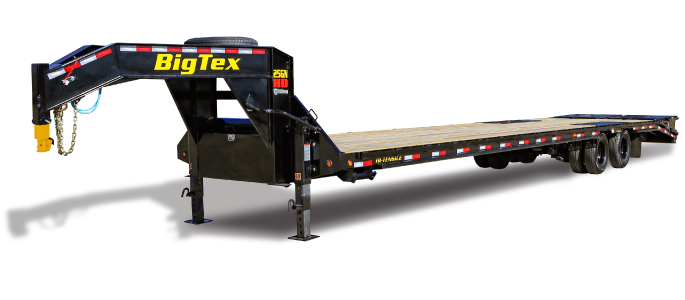
For operators regularly moving machinery, vehicles, or other difficult-to-load cargo, dovetail gooseneck trailers solve a specific problem: getting heavy equipment onto the deck without turning every loading stop into a slow process involving loose ramps and repeated repositioning. The Big Tex 22GH Hydraulic Dovetail Gooseneck is designed around that type of commercial workload.
Start With Payload, Not Just GVWR
Hotshot buyers often compare trailers by Gross Vehicle Weight Rating (GVWR) first. That number matters, but it does not tell you how much freight you can actually put on the deck.
The 22GH has a 23,900-pound GVWR, but the trailer itself weighs between approximately 8,460 and 10,910 pounds, depending on whether you select the 32-, 35-, or 40-foot version. That leaves roughly 12,990 to 15,440 pounds of cargo capacity.
That distinction matters in the real world.
Say you regularly transport a 10,000-pound piece of construction equipment plus a bucket, forks, chains, binders, and other gear. Looking only at a 23,900-pound GVWR could make the trailer seem substantially oversized for the job. Looking at the actual payload tells you how much working margin you really have.
When choosing the best trailer for hotshot hauling, calculate around your heaviest realistic load, not an empty trailer or an ideal shipment.
Deck Length Should Match the Freight You Actually Book
The 22GH is offered in 32-, 35-, and 40-foot bed lengths, all with a width of 102 inches.
Selecting the right option for you depends on what your normal week entails.
A contractor primarily moving one excavator or skid steer may value the shorter configuration because there is less trailer to maneuver around jobsites. A hotshot operator trying to accommodate different combinations of equipment, vehicles, and general freight may get more value from the additional deck space of a 35- or 40-foot model.
Extra length can also give you more room to position a load correctly over the axles, rather than simply putting the machine wherever it physically fits.
The tradeoff is straightforward: More deck gives you greater cargo flexibility, but a longer trailer also requires more room at fuel stops, loading yards, customer properties, and jobsites.
A Hydraulic Dovetail Changes the Loading Process
Loading features deserve more attention than they often receive.
The 22GH uses a 12-foot hydraulic dovetail with a 12-degree loading angle. It is rated to lift 12,000 pounds and hold 10,000 pounds while hauling. Traction bars provide additional grip as machinery moves onto the deck.
Consider the difference for an operator loading equipment several times a week. With conventional removable ramps, you have to position the truck and trailer, pull and place the ramps, line up the machine, load it, and then secure the ramps again before leaving.
A hydraulic dovetail removes much of that handling.
That can be particularly useful when transporting low-clearance machinery or loading on uneven sites where a steeper approach angle makes the process more difficult.
Tandem Dual Axles Matter Under Heavy Loads
The 22GH runs two 10,000-pound dual-wheel axles with oil-bath hubs and forward self-adjusting electric brakes on both axles.
For heavy commercial work, the value of a tandem dual setup goes beyond the published capacity. Federal axle weight standards also illustrate why axle configuration and spacing matter when managing heavier commercial loads. Four tires per axle distribute the load over a larger tire footprint, while the axle and suspension configuration is designed to withstand the repeated stresses associated with heavier freight.
If your jobs involve substantially different equipment, it is worth comparing the 22GH with other new trailers rather than assuming a single configuration works for every operation. A hotshot carrier hauling vehicles has different requirements than a contractor moving a compact excavator between jobsites.
Frame Construction Matters After the First Thousand Miles
Heavy loads expose weak construction quickly.
The 22GH uses a 14-inch I-beam frame with an integrated torque tube. The point of that construction is not a specification for a brochure. A long gooseneck deck carrying concentrated equipment weight experiences substantial twisting and flexing as the trailer crosses uneven pavement, driveways, and jobsites.
The torque tube helps resist that twisting, while the heavier I-beam provides the foundation for repeated commercial hauling.
This is an important distinction when searching for the best trailer for hotshot operations. A trailer does not earn its keep sitting empty in the yard. Long-term value comes from how reliably it performs after repeated loaded miles.
Tie-Down Flexibility Can Save Time on Mixed Loads
Hotshot freight is rarely identical from one trip to the next.
One load might be a tractor. The next could be construction equipment or palletized material. Fixed tie-down locations can become inconvenient when cargo dimensions change.
The 22GH includes a sliding winch track along the deck, heavy-duty rub rails, stake pockets, and chain spools. That gives operators multiple ways to position securement equipment around the load itself, rather than forcing every load into the same setup.
For anyone getting paid by the load or managing tight jobsite schedules, that flexibility matters because loading and securement time is part of the workday.
Buy for Your Primary Work
Goosenecks are not the right answer for every hauling business.
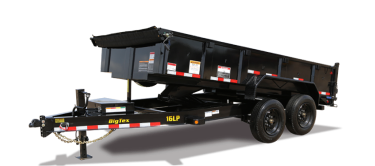
If your work centers on loose material, demolition debris, aggregate, or landscape material, dump trailers may better suit your operation. If most loads involve large equipment or freight that benefits from a long, open deck, a gooseneck becomes much more compelling.
Before buying, write down the five heaviest and five largest loads you realistically expect to move. Then ask:
- Will they fit with room for proper positioning?
- Does the payload leave enough working margin?
- Can the equipment be loaded without excessive ramp angle?
- Are tie-down locations practical for those loads?
- Can your tow vehicle properly handle the complete setup?
Those answers are more useful than choosing a trailer based solely on maximum specifications.
Consider the Business Side of the Purchase
Commercial buyers also have to evaluate how the equipment fits into cash flow.
A higher-capacity trailer can open the door to different jobs, but buying a trailer with substantially more room than the operation needs ties up capital unnecessarily. Buyers comparing purchase options can review available trailer financing alongside model specifications and expected workload.
The right trailer should support earning potential without becoming unnecessary overhead.
Frequently Asked Questions
What Makes a Gooseneck Trailer Good for Hotshot Hauling?
Look for usable payload, adequate deck space, heavy-duty frame construction, dependable axles and brakes, flexible cargo securement, and a loading system suited to the freight you expect to haul.
Is a Longer Gooseneck Always Better for Hotshot Work?
No. More length provides cargo flexibility but makes the trailer harder to maneuver. Choose a deck size that covers your typical freight and expected growth without carrying unnecessary space every day.
Why Is Payload Capacity More Useful Than GVWR Alone?
GVWR includes the trailer itself. Payload indicates how much weight remains available for freight after accounting for the empty trailer weight.
What Is the Advantage of a Hydraulic Dovetail?
It reduces dependence on removable ramps and provides a controlled approach for loading machinery. That can make repeated equipment loading more efficient, particularly with lower-clearance machines.
Built Around The Work
The best trailer for hotshot hauling is the trailer that matches the loads you can realistically book and move profitably.
For operators regularly hauling large equipment, the Big Tex 22GH combines substantial payload capacity with a 102-inch-wide deck, tandem dual axles, heavy I-beam construction, flexible securement options, and a hydraulic dovetail built around repeated loading.
Those are not features that matter only on the day you buy the trailer. They are the details that determine how effectively the trailer works after the first hundred jobs.